|
Lincoln KAYIWA
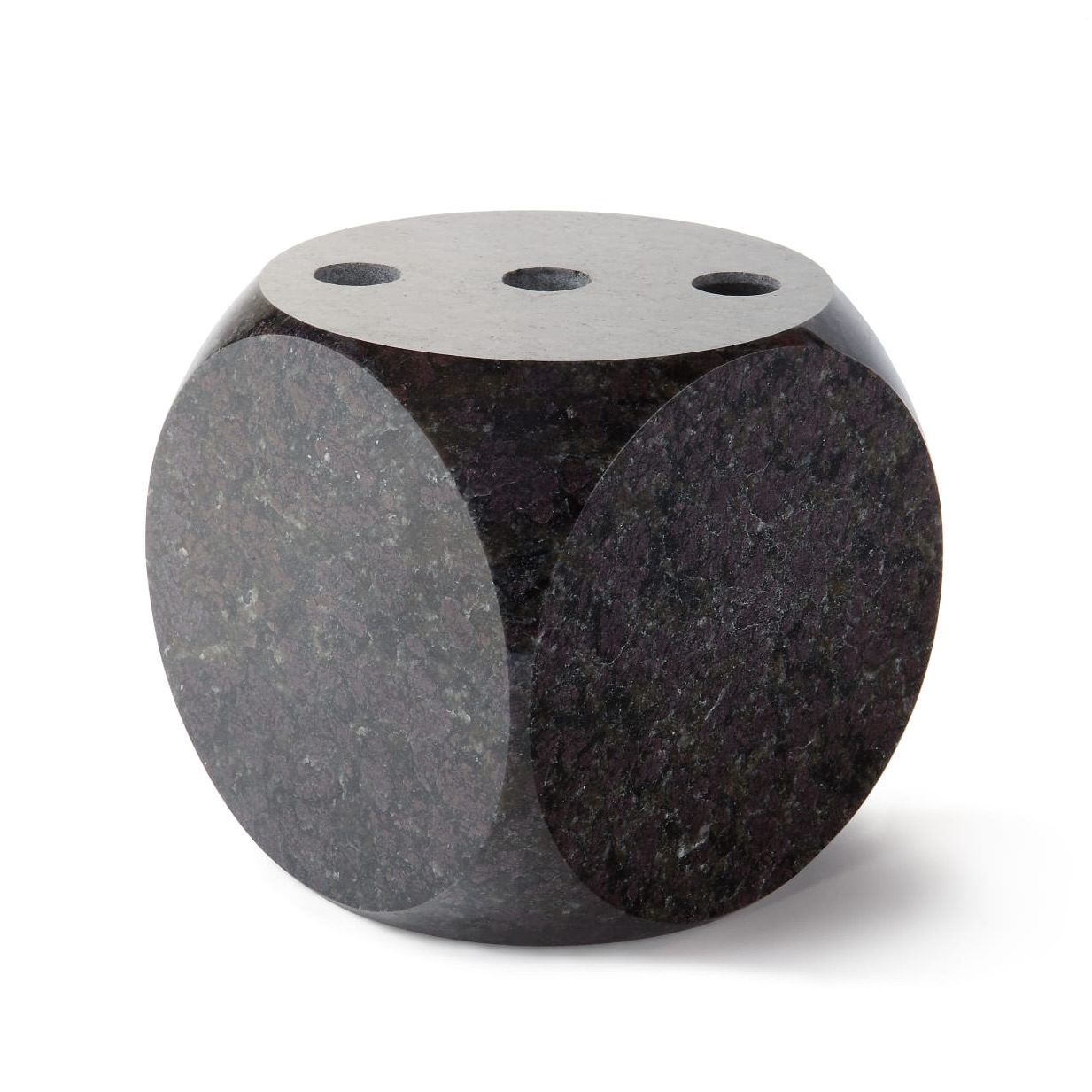
Lincoln Kayiwa was born in 1979 into an architectural family in Kampala, Uganda. He graduated as a Master of Arts from the Aalto University School of Arts, Design and Architecture in Helsinki, Finland in 2007. Upon graduating, he founded his own studio, KAYIWA.
Kayiwa's Ugandan roots and Nordic life blend into a unique approach. He shows us that design can be bold and playful, yet still aesthetic, fully functional and durable. His uncompromising, innovative works make Lincoln Kayiwa a pioneer in creating limited edition, usable art pieces for collectors and galleries across the world. KAYIWA's portfolio is diverse - ranging from furniture to housewares. With a witty yet elegant disregard for convention, the studio's collectibles are exquisite sculptures in their own right. At the same time, KAYIWA is passionate about fusing art with design to create functional solutions for everyday needs. The resulting limited edition objets d'art are genuine collectors' items, which continue to appreciate in value over time. For our most discerning clientele, KAYIWA offers customized service. All the existing works may be commissioned in a range of colors, sizes, material and finishes to create personalized, one-off pieces. Likewise, our atelier can also make a completely new creation made to the client's exact specifications. KAYIWA's Finnish-Ugandan designer/artist borrows principles and aesthetic elements from the rich cultures and traditions of African and Nordic art, craft and design. His creations acquire a story and become a heritage to pass dow to the next generation. Each artifact balances the latest technology with the best of artisan skill. All the works are realized with very high standards, and we guarantee that they will perform well for many years. Accordingly, we warranty all our collectibles against manufacturing defects in material and workmanship for a minimum period of 10 years.
Maku Dakar
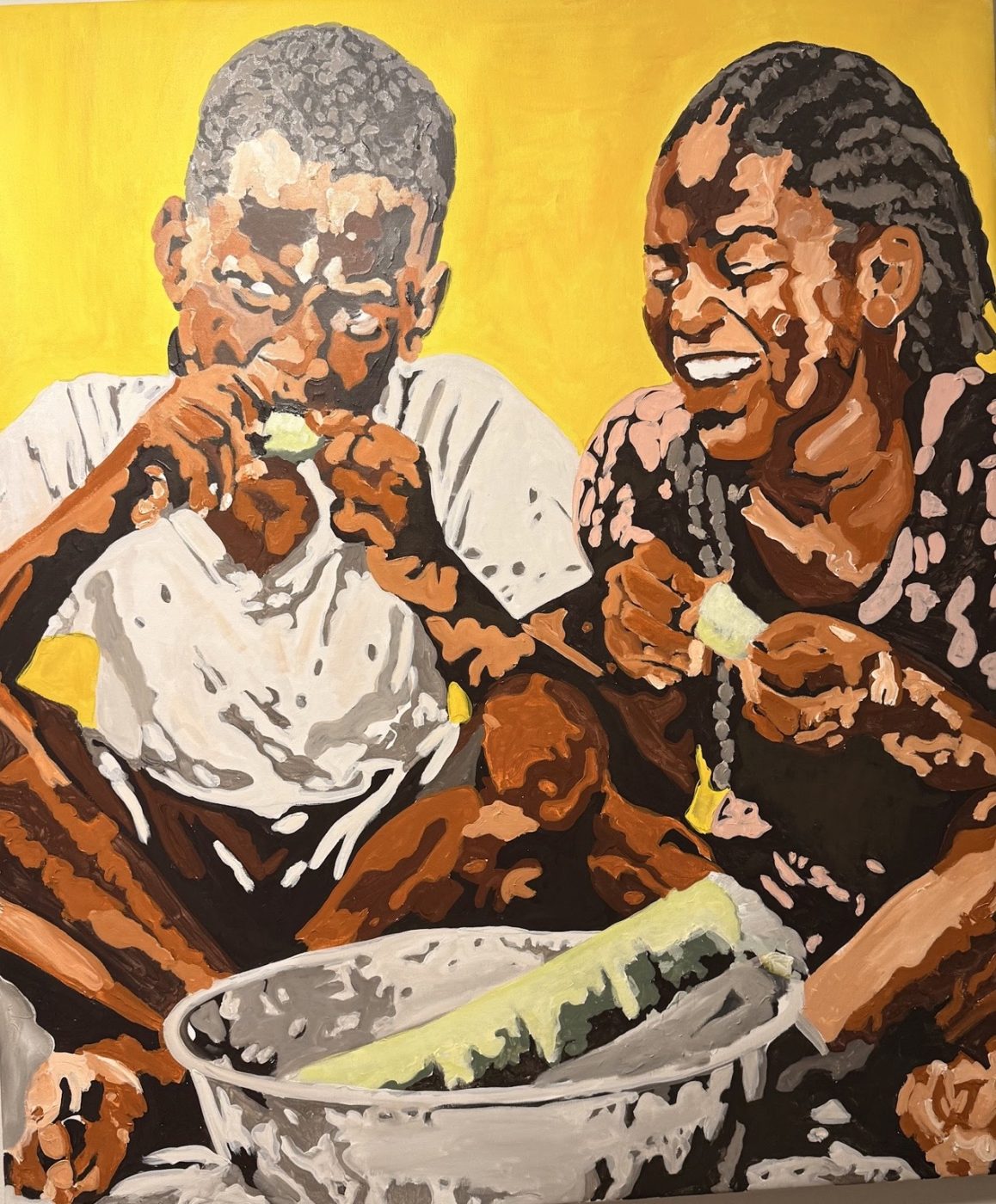
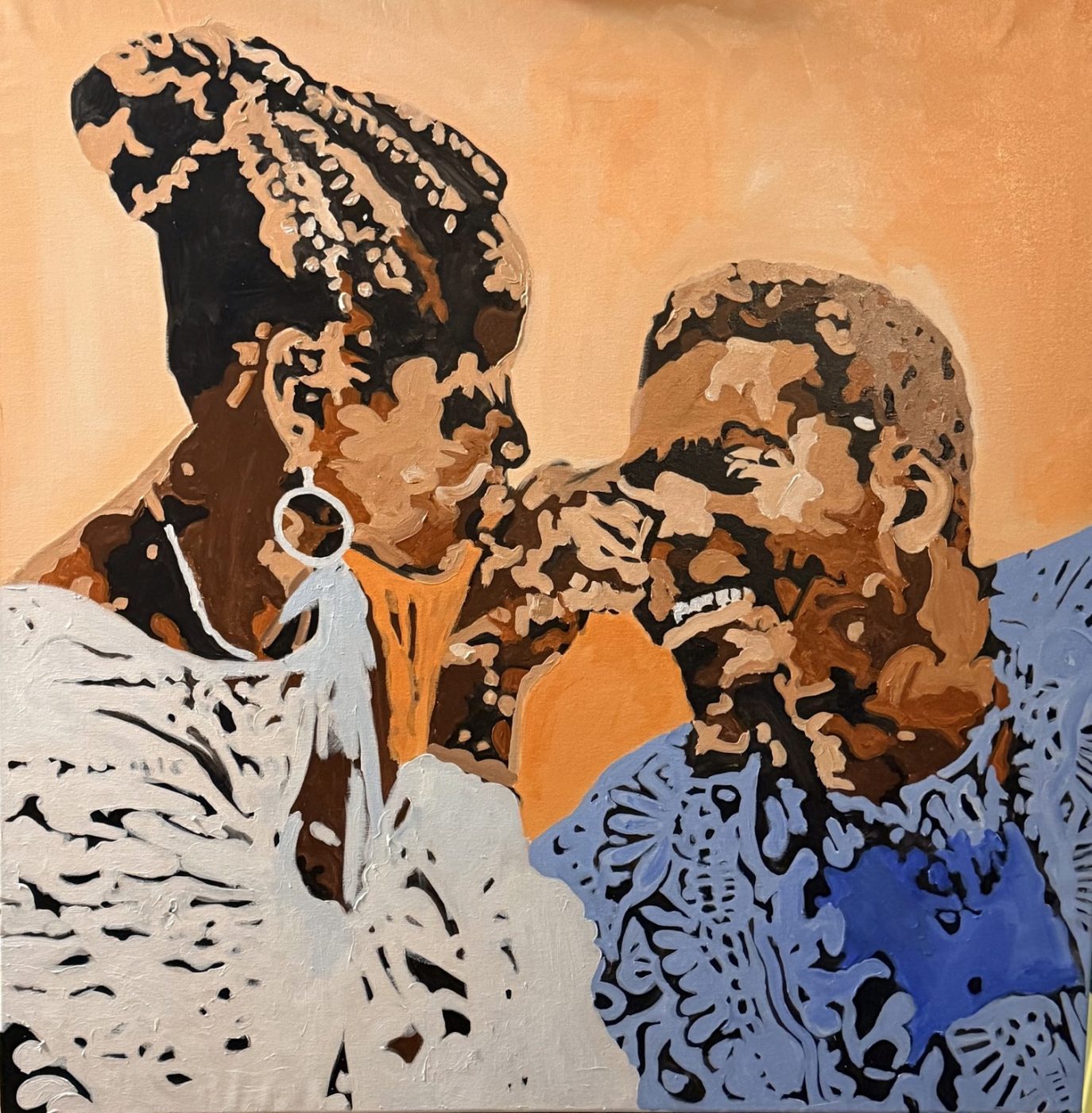
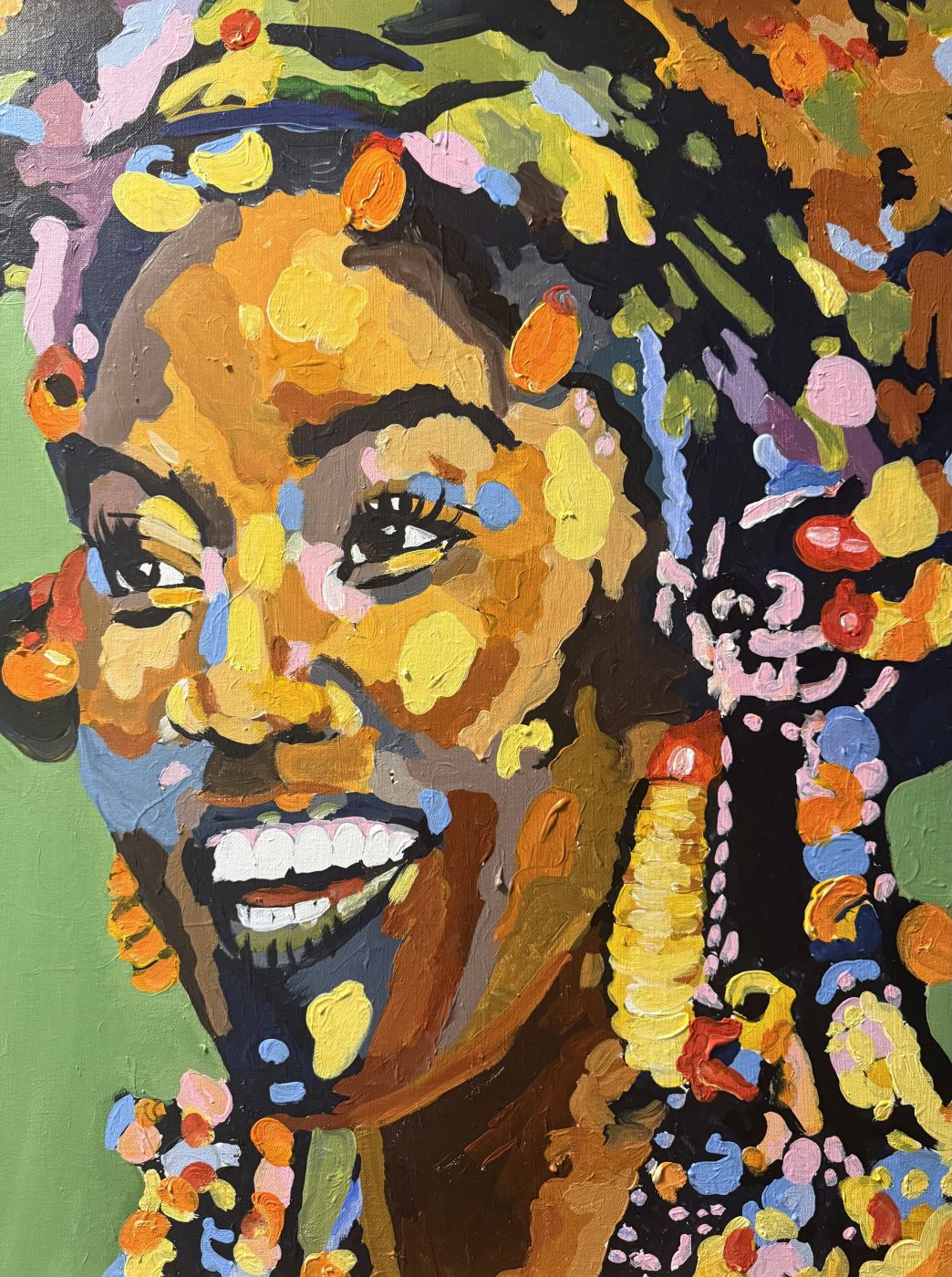
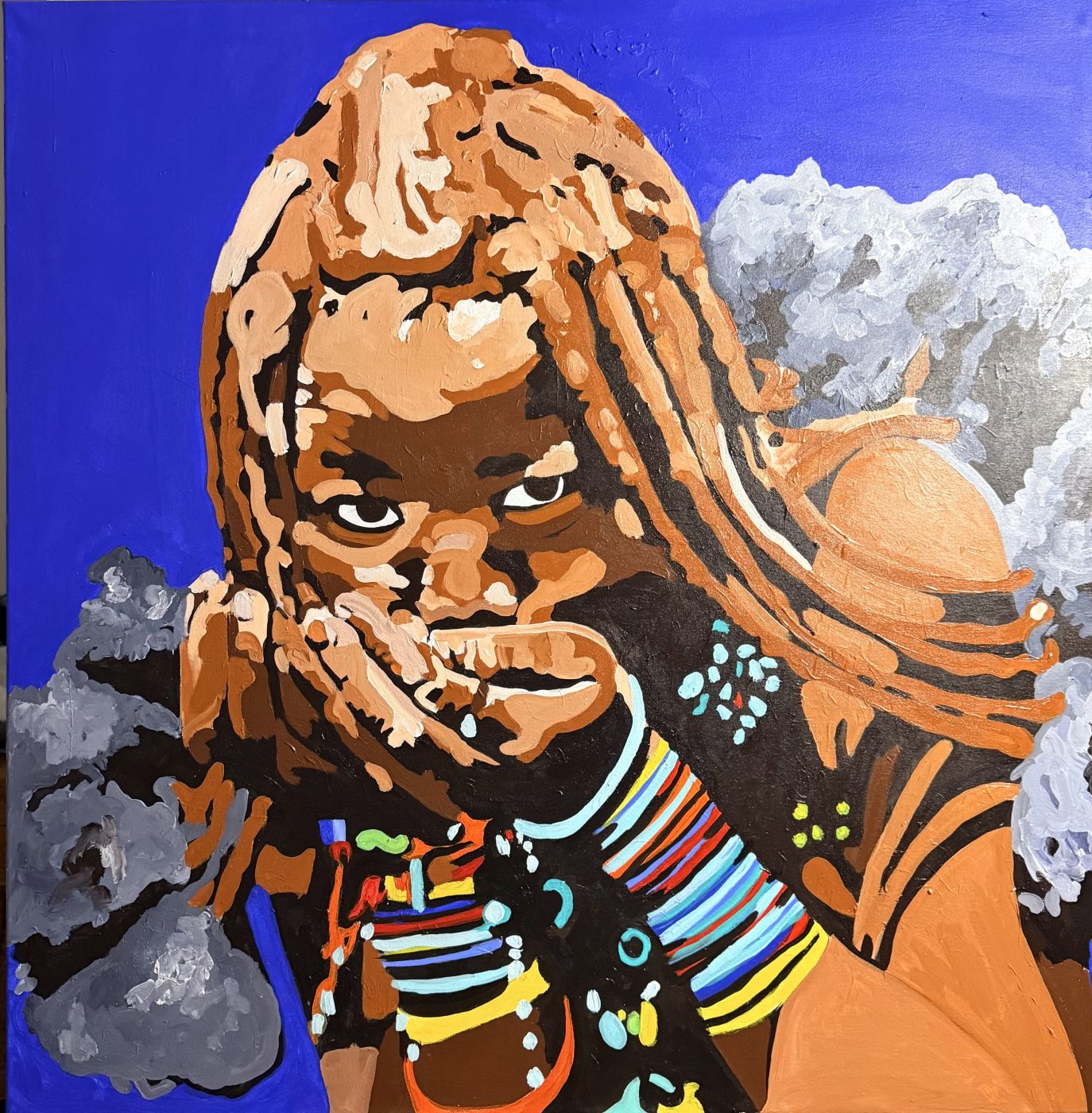
Maku Dakar is a multidisciplinary artist whose work forms a vibrant dialogue between two worlds the warmth of West Africa and the cool luminosity of Northern Europe. Born in Senegal and based in Finland since 2010, she embodies a fusion of cultures that shapes her creative identity and fuels her artistic exploration.
His art is a reflection of inner movement and cultural resonance, where African rhythm meets Nordic minimalism. Through abstract forms, layered textures, and symbolic figures, Maku Dakar builds a unique visual language that speaks of memory, migration, and transformation. Her canvases reveal a dance of colors and emotions at once grounded in heritage and open to the infinite play of light and possibility. Working with a wide range of materials and techniques, she blends painting, mixed media, and experimental textures to express the complexity of human experience. Each piece invites viewers to enter a world where tradition and modernity intertwine, echoing themes of identity, resilience, and connection. Maku’s compelling vision has earned her international recognition, with invitations to prominent events such as “Origins and Diversity” in Atlanta, USA, and the Colormap Festival in Strasbourg, France. Her participation in these global dialogues underscores her commitment to using art as a bridge between cultures and as a platform for unity through diversity. Beyond the studio, Maku Dakar engages deeply in social and humanitarian work. Through her collaboration with the Diabenile Association, she supports young people living with Type 1 diabetes in Senegal and France, using art as a tool for empowerment, awareness, and hope. In every brushstroke, Maku Dakar captures the essence of dual belonging, a meeting point where Senegalese soul meets Nordic light, and where the universal language of art transcends borders to celebrate humanity in all its colors.
Priscilla Osei
Reimagined begins with portraits of Black models photographed by Priscilla Osei in Helsinki in 2020 and styled by Ama Bonney. Six years later, Osei returns to those images and asks what else they might become. The work draws on Africanfuturism, a term coined by author Nnedi Okorafor for futures rooted in African culture, history, mythology and point of view, with technology and possibility at their core. For Osei and Bonney, both Ghanaian women living in Finland, it offers a way to imagine beyond the original frame. Each woman steps into a new world: a frozen lake lit by glowing trees, a garden of golden sunflowers, cherry blossoms threaded with machinery, a Helsinki of flying vehicles, and a forest city among the treetops. The Ankara travels with them. Presented with the originals, the portraits invite viewers to consider how an image can hold its past while opening itself to another future. Osei developed the new works from her original photographs using digital and generative tools including ChatGPT, Midjourney and Google’s Nano Banana. Photography and digital reimagining: Priscilla Osei Styling: Ama Bonney
Sasha Huber
Sasha Huber (b. 1975) is a Swiss-Haitian artist based in Helsinki whose work explores the afterlives of colonialism and its ongoing influence. Working with photographs, video, performance, archives, place names, and historical records, she asks how violence is preserved in cultural memory and how art can intervene in this process.
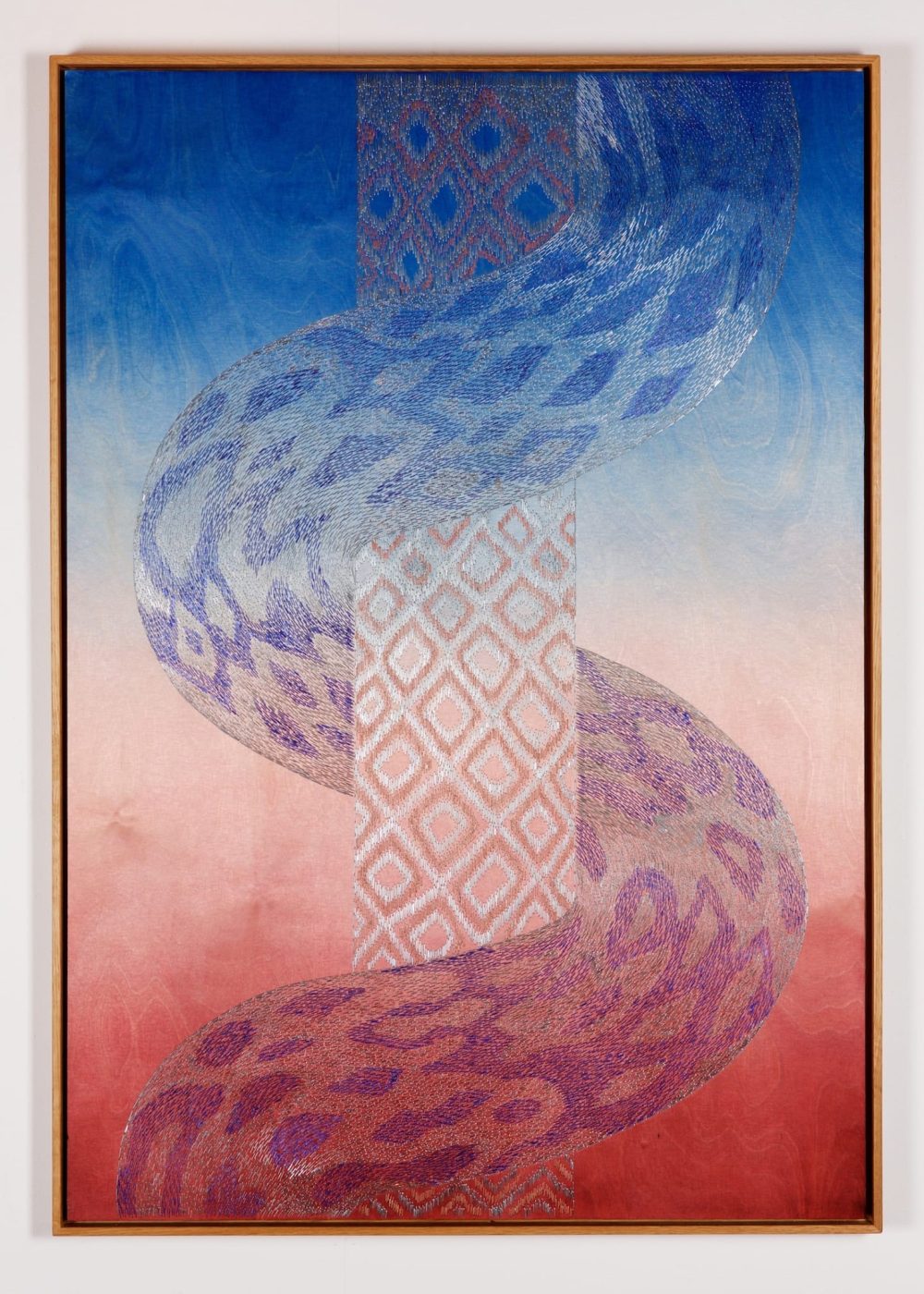
One of her best-known tool is the staple gun, which she has used since 2004, when she began the series Shooting Back. Originally conceived as an act of return fire, the technique has become a way to symbolically close the wounds caused by colonialism. By replacing the brush with a staple gun, Huber shoots staples into wood and acoustic panels, turning a tool associated with violence into an instrument of care. In portraits of people of the African diaspora, the acoustic panels serve as a support and a metaphorical amplifier, giving a voice back to those whom history has silenced. The works restore dignity and individuality to people who were dehumanized by slavery. Her method begins with research and continues beyond the gallery. Huber turns to places named after Louis Agassiz, a glaciologist whose racial theories helped legitimize scientific racism. More than 80 places on Earth, the Moon, and Mars bear his name, and her reparative interventions are part of an international campaign to reassess his legacy. In Alaska, she traveled with Khaách Jeremiah James to the Agassiz Glacier, which lies on Indigenous territory, to collect glacial water for a future renaming ceremony in Yakutat, the ancestral home of James and his family. Together with the artist Petri Saarikko, she is also developing the long-term project Remedies Universe, which explores family knowledge and healing practices in different cultural contexts. Her origins shape her work. She draws attention to the abduction and enslavement of some of her ancestors between Africa and Haiti, and to the racism and discrimination that still result from this violence. Through acts of repair, renaming, and remembrance, she puts her art in the service of decolonizing knowledge, making reparations for history, and a gradual process of healing.
|
|